Garden
State Woman
Watch Your Mouth: Part II
For
Women Only by Dr. Allyson K. Hurley, DDS, MAGD, AAACD
Seeing your dentist for regular checkups and practicing good oral hygiene
is sound advice for everyone, but women of all ages have particular oral
health needs. The following are common issues women may experience throughout
the different phases of their life, along with the oral health problems
associated with them.
Tobacco Products
The use of tobacco
products, including cigarettes, snuff or “dip”, and chewing
tobacco is the number one threat to teeth and gums. It is the primary cause
of oral cancer, and a leading cause of periodontal disease. These products
contain carcinogenic compounds, and the use of them can lead to oral cancer.
Smokers are four to ten times more likely to develop oral cancer than non-smokers.
Periodontal disease, a chronic infection of the gums, is seven times more
likely in smokers. Smokers are at significant risk in the development and
progression of this disease, which can result in tooth loss. Oral cancer,
in its early stage, can be painless and difficult to detect without a thorough
examination by a dental or medical professional.
Oral Piercing
As oral piercing
has become more common, dentists are beginning to see the ill effects of
this practice. It can trigger dangerous infections and can cause permanent
nerve damage to the tongue. The “jewelry” can strike the teeth
with enough force to fracture teeth, necessitating fillings, root canal
treatment, crowns, and even the loss of teeth. Oral piercing can also affect
taste and speech. There is research underway to determine if oral cancer
can be associated with these piercings.
Periodontal
Disease
Studies now confirm
that people with periodontal disease are twice as likely to suffer from
coronary artery disease, the nation’s leading cause of death. Bacteria
in the mouth can enter the bloodstream and contribute to heart disease,
clot formation, respiratory diseases, and be a serious threat to people
with diabetes. Women with periodontal disease may be more likely to give
birth to an underweight or pre-term baby. Oral microbes may enter the placenta,
which can expose the fetus to infection. This disease can be prevented with
regular brushing and flossing, proper diet, and routine professional care.
Oral Contraceptives
The hormones progesterone
or estrogen are present in birth control pills and women using these products
may experience gingivitis, or swelling of the gums, and tissue tenderness.
Brushing and flossing, and seeing your dental professional regularly will
help control these symptoms. Dry socket (a localized inflammation of the
tooth socket) following tooth extraction may also occur. In addition, certain
antibiotics can negate the efficacy of oral contraceptives. If antibiotics
are prescribed for any reason a back-up form of birth control should be
used until the course of antibiotics is finished.
Osteoporosis
In postmenopausal
women low bone density (osteoporosis) leads to greater risk of gum disease.
This reduction in bone mass around the teeth contributes to periodontal
disease and related tooth loss. Dental x-rays can help to identify potential
problems before they become too serious, so regular dental visits are of
the utmost importance.
For more information on women’s dental health issues or to review Part I of this series visit www.allysonhurley.com and click on “articles.”



Dr. Allyson Hurley


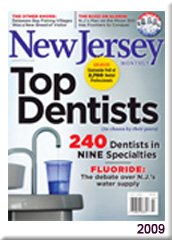
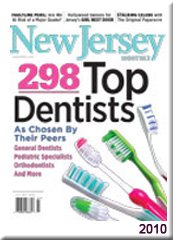
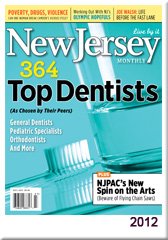
Dr. Allyson Hurley has been listed as “NJ Top Dentists” in the NJ Monthly magazine 5 consecutive times.




 All photographs on this site are the work of Dr. Allyson K. Hurley
All content and images are copyrighted ©.
All photographs on this site are the work of Dr. Allyson K. Hurley
All content and images are copyrighted ©.